Not Your Average Death Blog
Death Readiness Doesn’t Happen in a Vacuum
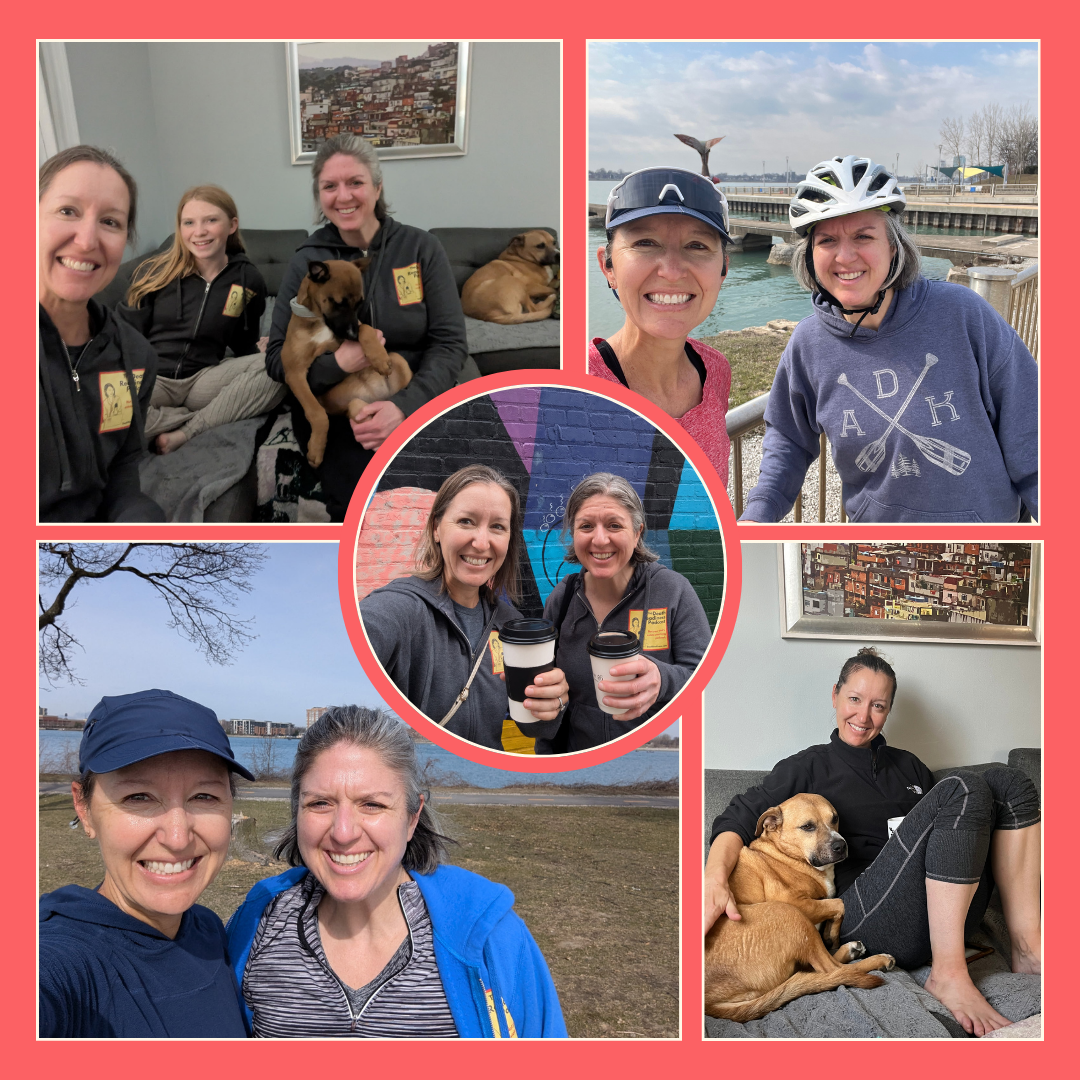
My best friend came to Michigan this week, and we did what best friends do. We ran, we biked, we wandered, and we talked about everything. And somewhere in the middle of all of that, we also got her ready for her first meeting with a financial advisor.

Why That Retirement Account May Not Go Where You Think
What happens if you don’t name a beneficiary on your retirement account? Most people assume it goes to the estate. But that assumption can be dangerously wrong. In this episode, Jill walks through a real case where getting this wrong would have cost a surviving spouse more than $300,000, and explains what actually controls the outcome in your estate planning.
Why Giving Money Can Do More Harm Than Good
A viral GoFundMe campaign for a DooDash delivery driver reminds us that generosity, while beautiful, can have unintended consequences. In this episode, Jill walks through real-life examples from her law practice to explain how giving money, especially to someone receiving government benefits, can sometimes do more harm than good. Thoughtful generosity often requires slowing down and understanding the full picture.

What a Foster Puppy Taught Me about Estate Planning and Preparing the Next Person
It’s going to be bittersweet, and I’m definitely going to cry. This Saturday we’re taking our foster puppy, Boots, to an adoption event. There’s a very good chance she’ll meet the person who becomes her forever home.
We’ve spent the last month caring for little Boots. In that time, we’ve learned all of her quirks, what makes her happy, which toys she loves, what scares her, and what helps her feel safe. All this time, we’ve been preparing her for a life we won’t actually get to see. That’s the strange and beautiful part of fostering. You invest time, care, and energy into helping a dog become ready for the next chapter, and then you step aside so someone else can live that chapter with them.
Why Estate Plans Fail Adult Children
Your parents paid thousands of dollars for a revocable trust but none of the assets were ever transferred into it. Did their estate planning attorney make a mistake?
In this episode of The Death Readiness Podcast, Jill Mastroianni explains what it actually means to fund a trust, why this step is essential for the plan to work, and who is typically responsible for doing it. She also walks through a real-world example showing how failing to fund a trust can cost families hundreds of thousands of dollars in probate fees and create a huge administrative burden for adult children.
More importantly, Jill highlights the hidden emotional cost when estate planning work falls on family members instead of being handled during the parent’s lifetime.
Why Good Powers of Attorney Still Fail
Most people think signing a power of attorney is the hard part but the real challenge is making sure it actually works when someone you love needs to use it.
In this episode, Jill shares a real-life story of a daughter trying to help her mother and running into unexpected roadblocks with a bank, even though the legal documents were properly signed years earlier. You’ll learn why “good” estate planning can still fail in the real world and the five practical steps you can take now to reduce friction later.
This episode is about moving from legal theory to real-life implementation because Death Readiness isn’t just paperwork; it’s making sure your plan works when life gets messy.
How to Give Without Jeopardizing Government Benefits
A grandmother wants to divide her wealth equally among her grandchildren — but one grandchild has Down syndrome, and a simple gift could unintentionally jeopardize eligibility for important government benefits. In this Tuesday Triage episode, Jill walks through required minimum distributions (RMDs), why “equal” doesn’t always mean “fair,” and how thoughtful planning protects both generosity and long-term support. You’ll learn how special needs planning tools like ABLE accounts and third-party special needs trusts help families give with love without causing unintended consequences.

Why Small Acts of Care Matter More Than You Think
In this Friday episode, Jill shares the unexpected lessons she’s learning from fostering a puppy named Boots, and how chaos, inconvenience, and small acts of care reveal what agency really looks like. Through stories about raising a guide dog puppy as a child, parenting, and estate planning, this episode reframes death readiness as something much more human: choosing small, meaningful actions even when the outcome isn’t guaranteed.

Why You Should Beware of Tax Advice Via Social Media
A viral Instagram reel claims California’s Proposition 19 “hijacks your kids’ inheritance.” In this Tuesday Triage episode, Jill walks through the facts behind the fear. Using a real-world example, she explains how California property taxes actually work, what changed under Proposition 19, and why federal tax rules like step-up in tax basis still protect many beneficiaries. This episode is about slowing down, adding context, and replacing social-media sound bites with real understanding.

How to be Fair to Your Children in Your Estate Plan
What happens when you give one child a house during your lifetime but want to keep your estate plan “equal” later? In this Tuesday Triage episode, Jill answers a listener question about lifetime gifts, equalizing inheritances, and how beneficiary designations can complicate even the best intentions. Through practical examples, Michigan law, and a real court case, this episode explains why documentation matters when fairness between children is at stake.
Why Knowing Your Rights Isn’t Enough
After her daughter attends a student-organized ICE protest at school, Jill steps back to examine the legal framework behind immigration enforcement, protest, and constitutional rights. This episode walks through what ICE can and cannot legally do, how the Fourth, Fifth, Sixth, and Second Amendments apply in real-world encounters, and why preparation matters even when you understand your rights. The goal isn’t to tell listeners what to do; it’s to help them understand the law well enough to make informed decisions in uncertain moments.

How Geography Can Wreck Your Estate Plan
Where you live can cost, or save, your estate hundreds of thousands of dollars. In this Tuesday Triage episode, Jill Mastroianni breaks down a listener question about estate taxes, domicile, and owning property in multiple states. Using a real-world scenario involving Washington, D.C., Maine, Georgia, and Kentucky, Jill explains how state estate and inheritance taxes actually work, why domicile is more than just a mailing address, and where people get tripped up when geography and estate planning collide. This episode helps separate fear from facts so you can make informed decisions about where, and how, you live.
How to Avoid Mistakes with Debt After Death
When someone dies, their bills don’t generally become yours, but the wrong step can make them yours. In this episode, Jill Mastroianni breaks down what really happens to debt after death, when you can walk away, when you can’t, and why the order in which you pay bills matters more than the amount you owe.
Using a real client story, listener Tracy’s question from Virginia, and clear legal examples, Jill explains how fear, grief, and misinformation lead people to pay debts they don’t legally owe, and how to protect yourself instead.
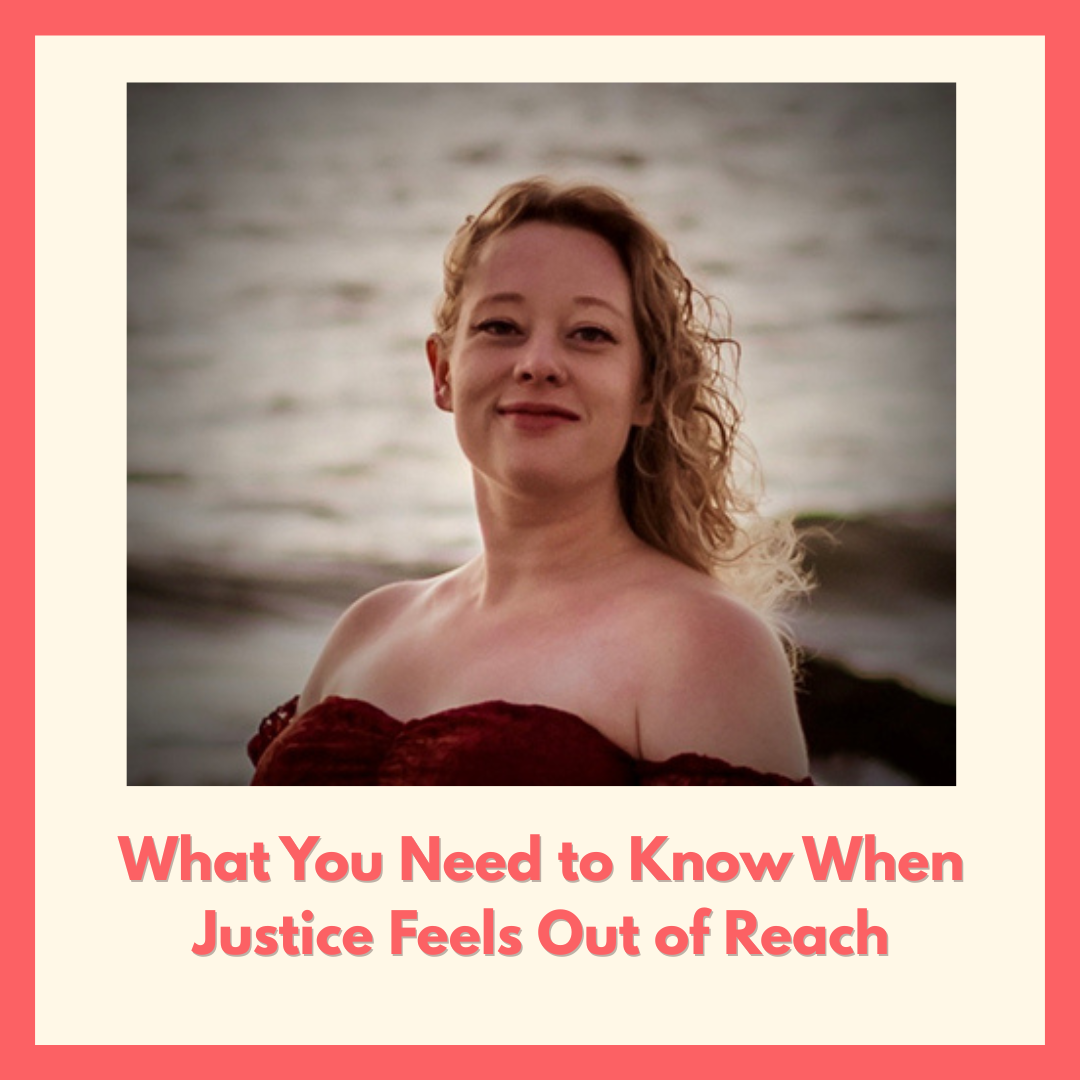
What You Need to Know When Justice Feels Out of Reach
What happens when someone is killed by a federal officer—and no criminal investigation follows? In this episode, Jill connects Dr. Martin Luther King, Jr.’s final words to the modern-day death of Renée Good, then walks through the legal doctrines that shape accountability in the United States. You’ll learn how immunity works, why investigations matter, and what legal paths, however limited, may still exist when the system feels silent.
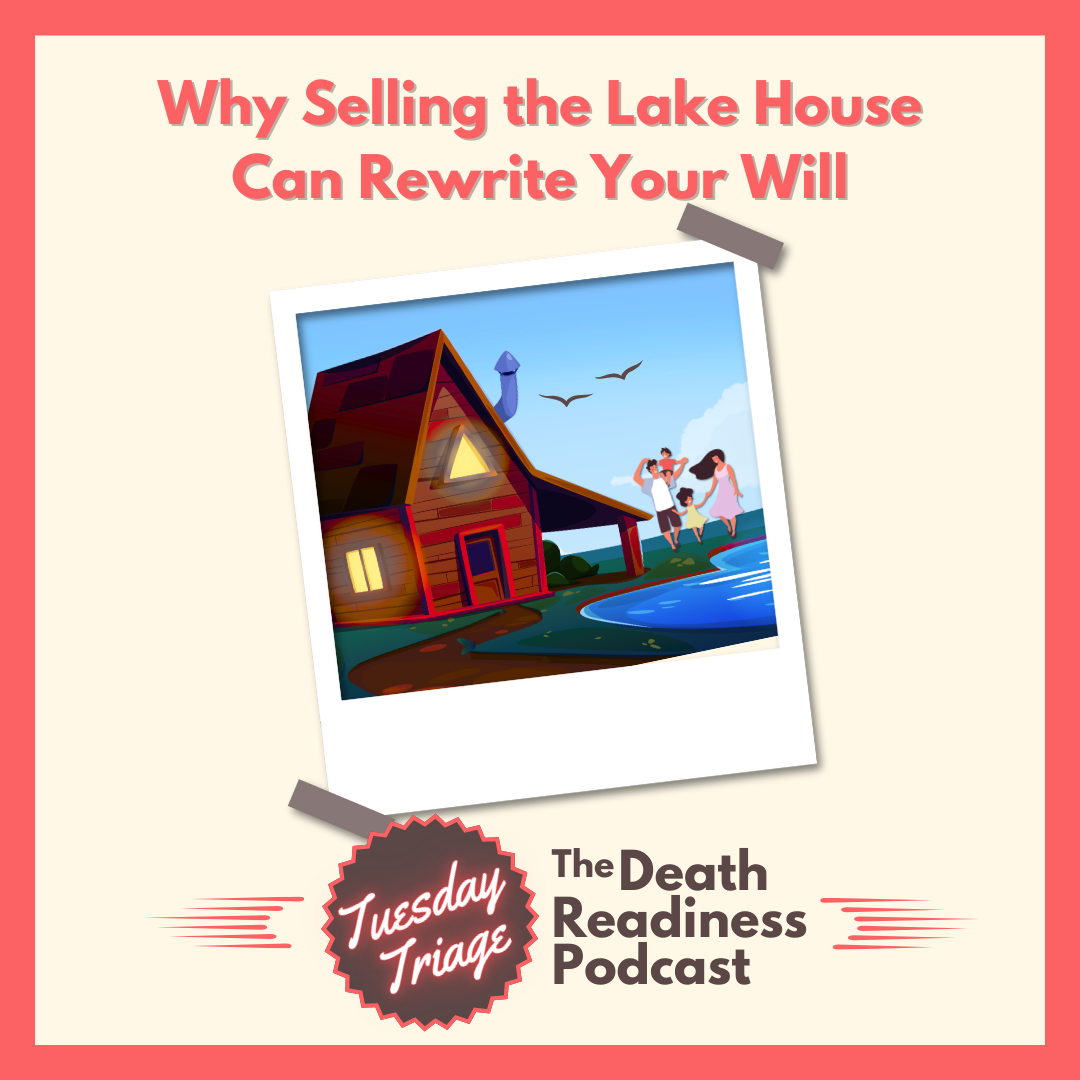
Why Selling the Lake House Can Rewrite Your Will
A listener in Michigan asks what happens when her Will leaves a lake house that she sold years ago. Jill breaks down how Michigan law treats the sale of specifically gifted property, why the gift doesn’t disappear the way it would under traditional ademption rules, and how that one missing update can unintentionally shift millions of dollars and destroy family relationships.

How Business Interests Create Estate Planning Blind Spots
A beautiful estate planning binder doesn’t mean your plan is complete, especially when business interests or stock grants are involved. In this Tuesday Triage episode, Jill Mastroianni unpacks a listener question about distributing a family business in a blended family and uses it to expose one of the most common estate-planning blind spots: assumptions about ownership.
Through real-world examples and practical guidance, Jill walks listeners through how to identify who actually owns a business interest, what that ownership really means, and why these details matter long before a crisis forces the issue.
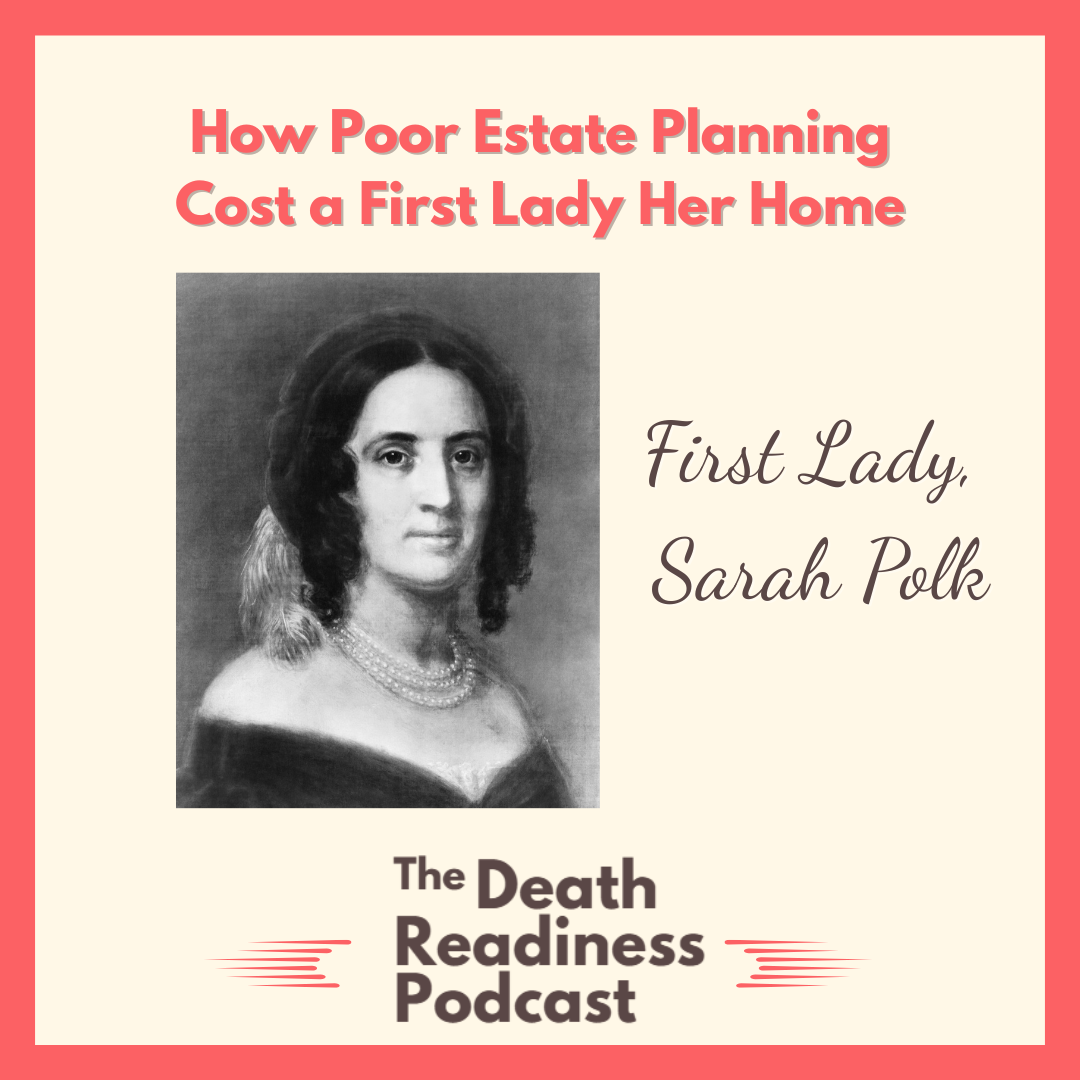
How Poor Estate Planning Cost a First Lady Her Home
What really happened to the home of President James K. Polk? Jill revisits the fate of Polk Place in Nashville and walks through original deeds, wills, and trust language to explain how a presidential estate plan unraveled over decades. The result is a cautionary tale about life estates, unclear ownership, failed trusts, and how even “well-documented” plans can quietly erase a legacy.

Why You Should Question the Estate Planning Expert
What happens when an estate plan is technically correct—but doesn’t quite work in real life?
In this Tuesday Triage episode, Jill shares a moment from a client meeting where one simple, common-sense question changed an entire estate plan. Through a personal story and a real client scenario, she breaks down the differences between trusts and powers of attorney, and explains why questioning the expert can lead to a plan that actually works when it matters most.
This episode is about trusting your instincts, understanding your options, and remembering that estate planning is supposed to serve real people, not just legal theory.
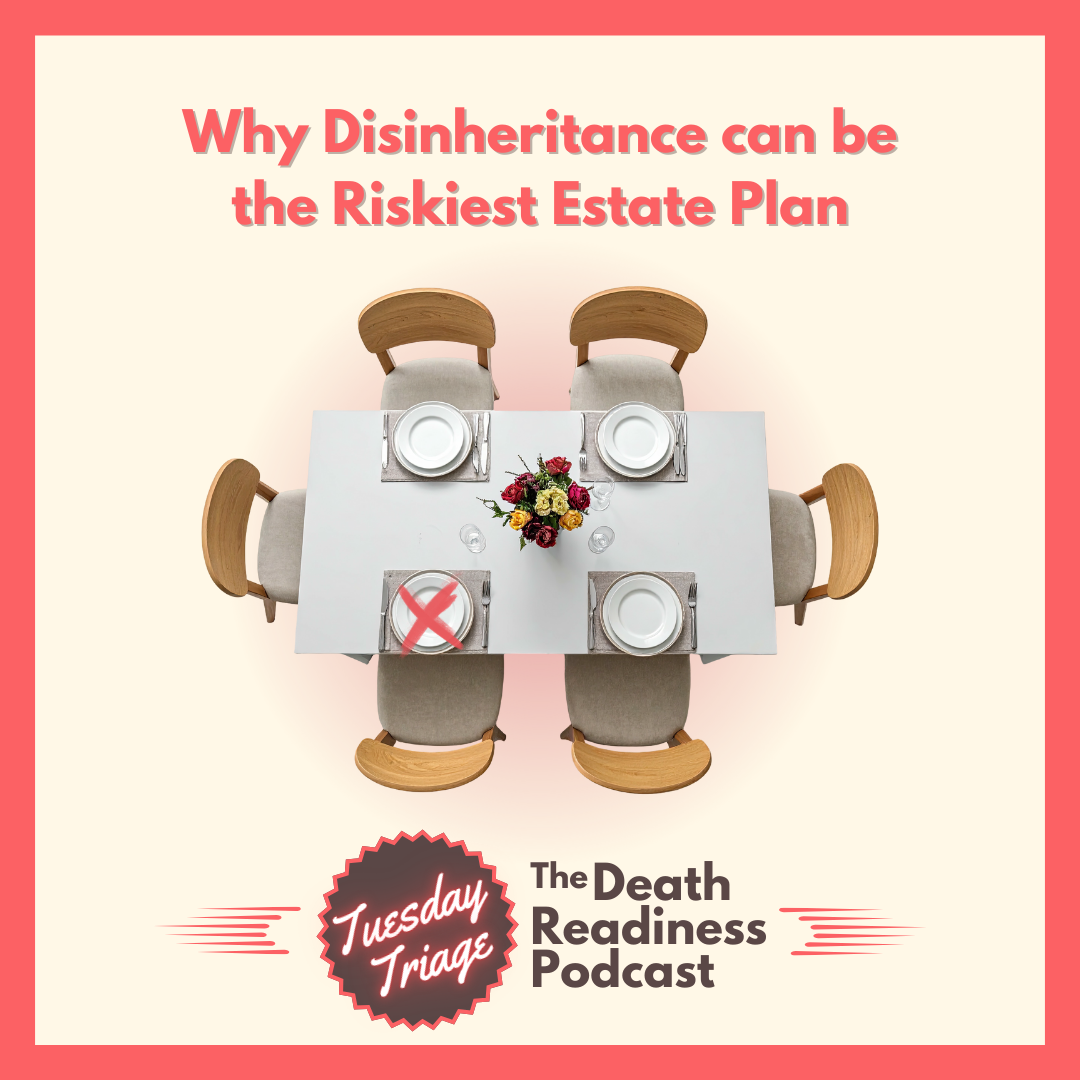
Why Disinheritance Can Be the Riskiest Estate Plan
As much as we’re sold the idea of “holiday magic,” the reality is that holidays are often where long-standing family tensions come into sharp focus. Especially once you’re the one hosting, coordinating, cooking, cleaning, and trying to keep everyone emotionally regulated. When you’re tired and stretched thin, it’s not uncommon for an unsettling thought to creep in: There’s someone in this family I might need to disinherit.
Disinheritance is usually framed as a decisive solution, a way to protect assets, stop enabling bad behavior, and finally draw a boundary. But in practice, disinheritance is often one of the riskiest estate-planning decisions people make—legally and relationally.

Why Housing Security Gets Overlooked in Blended Families
Many families look stable from the outside—until one illness, one death, or one move changes everything. I see this especially in blended families and long-term relationships where people share a life but not legal ownership of the home they live in.
Today’s Tuesday Triage episode is about this quietly risky situation when someone lives in a home they don’t own. Things go sideways not because anyone has bad intentions, but because the legal protections people assume are there often aren’t.
Today’s question is from a listener named Sarah. Sarah’s dad lives in a condo owned by his long-term partner. They’re committed and they’ve made a life together. But legally, Sarah’s dad has no guaranteed right to stay in that home. If her dad’s partner became ill and needed to move out, or if she died, her father could suddenly find himself without housing. This situation is common in blended families, second relationships, and couples who choose not to marry.